A practical 2026 guide for Toowoomba and regional Queensland businesses sourcing automotive parts and accessories from China - covering realistic landed costs, Australian Design Rule (ADR) and RCM compliance for electrical parts, typical MOQs, and how to vet a factory before you commit to a container.
Last updated: 2 August 2026
In short: Sourcing automotive parts and accessories directly from Chinese factories typically costs 50-70% less than buying through an Australian aftermarket wholesaler, and it's how most independent auto parts retailers and installers around Toowoomba and regional Queensland actually stock their shelves. The main things to get right are Australian Design Rule (ADR) compliance for safety-critical parts, RCM certification for anything electrical, and choosing a factory that already exports to Australia. This guide covers costs, compliance, and how to vet a supplier before you commit to a full container.
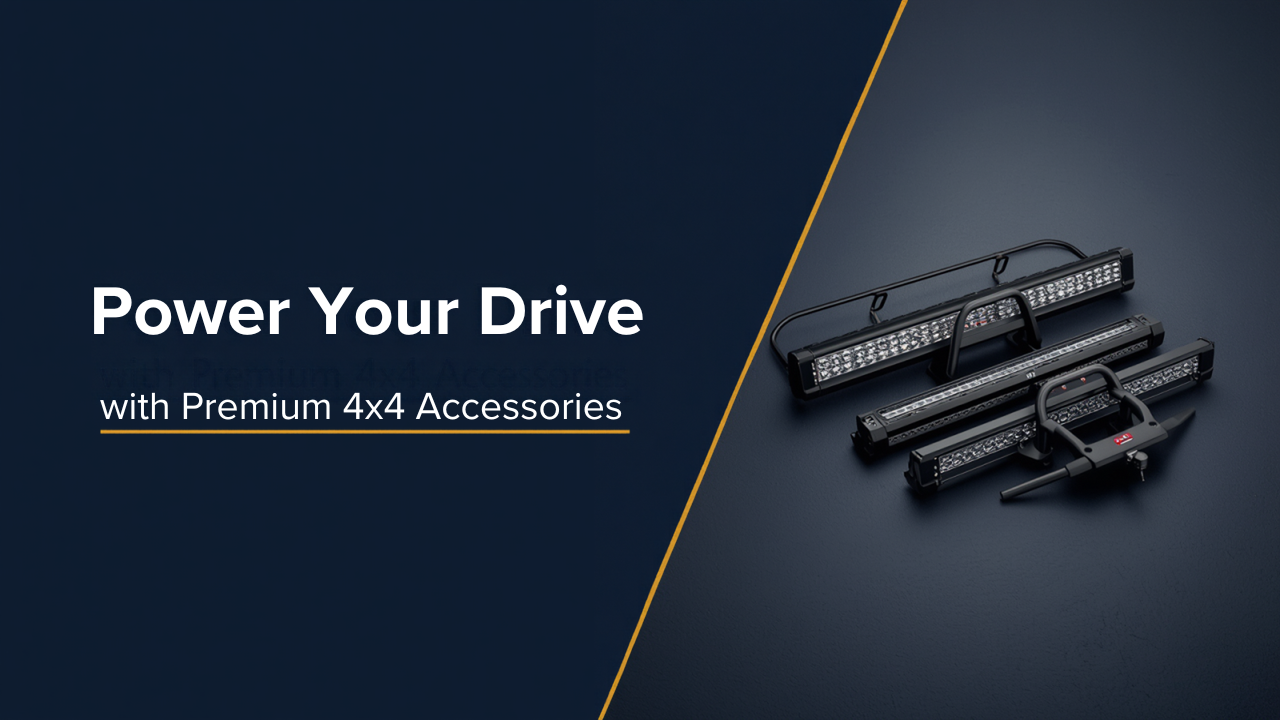
China manufactures the vast majority of the world's aftermarket automotive accessories - floor mats, seat covers, LED light bars, dash cams, tow bars, roof racks, phone mounts, detailing products and replacement parts like brake pads, filters and mirrors. For Toowoomba businesses serving the surrounding Darling Downs farming and trades community, popular categories include 4x4 and ute accessories (bull bars, canopies, tonneau covers), LED work lights, and towing hardware.
Non-safety-critical accessories (mats, organisers, phone mounts, detailing gear) are the easiest entry point because they carry the lightest compliance burden. Safety-critical parts (brakes, suspension components, lighting that affects road legality) need much closer attention to Australian standards before you place a bulk order.
ItemAustralian aftermarket wholesalerDirect from China factory (landed)LED light bar (20-inch)$120-$180 AUD$28-$45 AUD landedTow bar (universal fit)$250-$400 AUD$70-$110 AUD landedSeat cover set$90-$150 AUD$18-$32 AUD landedDash cam (dual channel)$180-$250 AUD$35-$60 AUD landed
Freight, duty and GST typically add 15-20% on top of the factory price, so always ask for a landed cost quote rather than comparing ex-factory prices alone. Our landed cost guide walks through the full calculation.
Any part that affects vehicle safety, emissions or structural integrity - brake components, suspension parts, towing hardware rated for load, and lighting that changes a vehicle's road-legal status - falls under Australian Design Rules (ADR) administered by the Department of Infrastructure. Non-compliant safety parts can't legally be fitted to a registered vehicle, so confirm ADR compliance documentation before you commit to a bulk order, not after it lands.
Anything electrical - LED light bars, dash cams, reversing cameras, wiring kits - needs RCM (Regulatory Compliance Mark) certification confirming it meets Australian electrical safety and EMC standards. Ask your factory for existing RCM test reports for the exact model you're ordering, not a similar one.
Steel and aluminium automotive components (bull bars, roof racks, chassis parts) can also be subject to anti-dumping duties in some categories - it's worth checking your specific HS code against the Anti-Dumping Commission's current measures. See our guide to anti-dumping duty in Australia for how this works and how to check if your product is affected.
China remains the stronger choice for almost all automotive parts and accessories - it has the deepest supplier base, the most mature export documentation processes for RCM and ADR-adjacent testing, and far lower MOQs for a first order. Vietnam's automotive manufacturing base is still developing and mostly serves component supply for global car makers rather than the aftermarket accessory market Australian retailers buy from, so it's rarely the right starting point for this category.
Only electrical items need RCM. Purely mechanical accessories like seat covers, floor mats and non-electrical tow bars don't require it, but load-rated and safety-critical mechanical parts still need to meet the relevant Australian Design Rules.
Most factories set MOQs between 100 and 500 units per SKU for accessories like floor mats or phone mounts, and 50-200 units for higher-value items like LED light bars or tow bars. MOQs are often negotiable through an experienced sourcing agent with existing factory relationships.
Yes, but these are safety-critical parts that must meet Australian Design Rules before they can legally be fitted to a registered vehicle. Get compliance documentation confirmed before ordering, and consider third-party testing for the first shipment.
Automotive parts sit under Chapter 87 of the tariff schedule, with the exact HS code depending on the specific part. See our HS code guide for how classification works and why getting it right protects your duty rate.
Budget 2-3 weeks for sampling, 3-5 weeks for production, and 4-6 weeks for sea freight into Brisbane plus inland transport to Toowoomba. Most first-time importers should plan on 10-14 weeks from brief to warehouse.
Epic Sourcing has sourced over 20,000 products for 300+ happy Australian clients, saving them an average of 77% versus local wholesale pricing. Our bilingual teams on the ground in China and Vietnam handle supplier vetting, RCM and compliance checks, sampling and quality control, plus warehousing and 3PL once your stock lands, so Toowoomba and regional Queensland businesses can stock automotive parts and accessories with confidence. Give us a bell to start sourcing your automotive range.
Related reading: our full guide to importing products from China to Australia, and our piece on anti-dumping duty if you're bringing in steel or aluminium components.