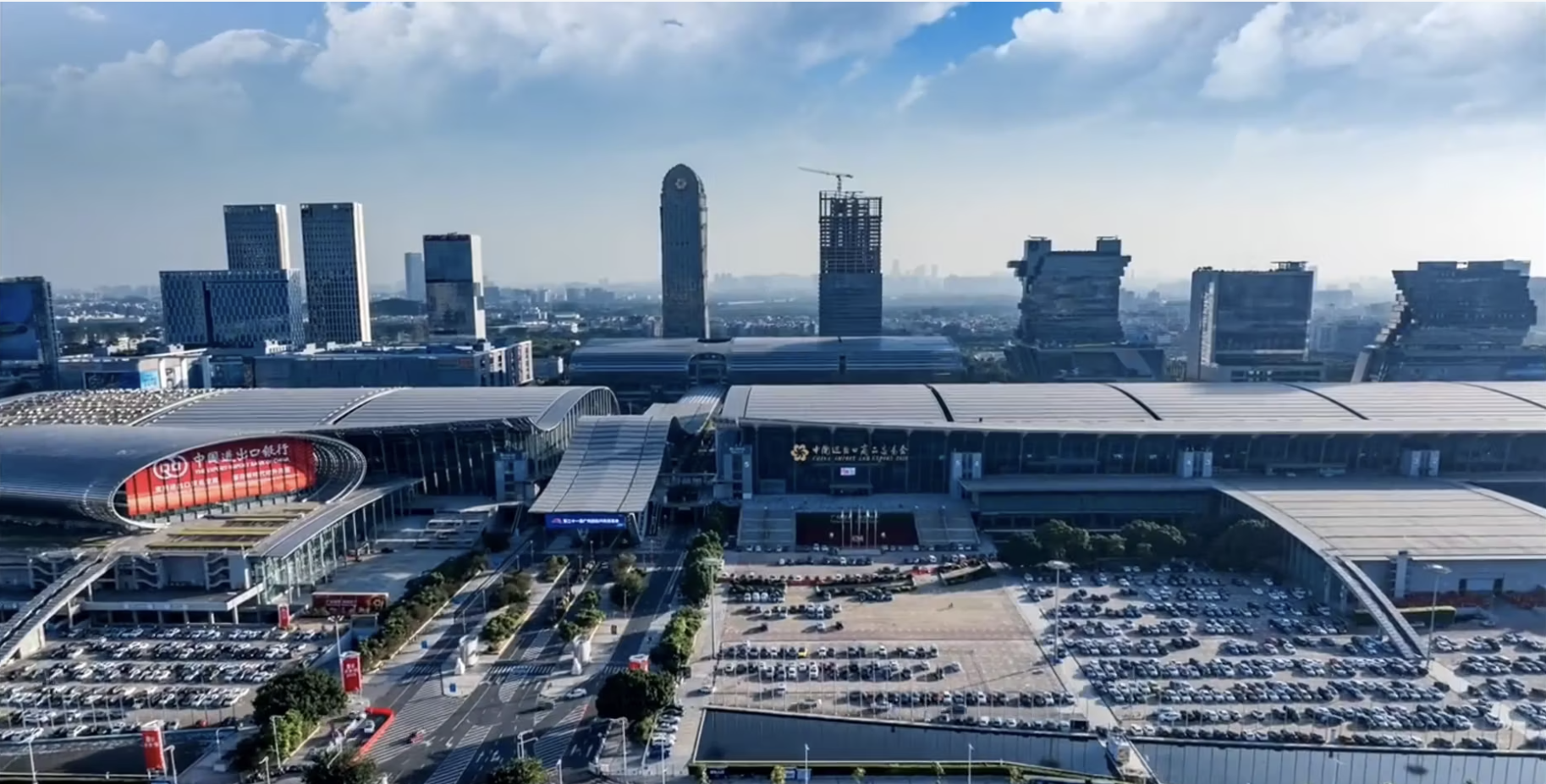
Sydney's backyard renovation boom has made artificial turf one of the fastest-growing import categories for retailers and landscapers. Sourcing it from China gets you well below local wholesale pricing, but turf has real import friction most guides skip — biosecurity treatment, UV testing for Sydney's climate, and container-load economics that make or break your margin.
Last updated: 29 August 2026
In short: Sydney's backyard renovation boom and commercial landscaping demand have made artificial turf one of the fastest-growing import categories for Australian retailers and landscapers. Sourcing it from China gets you 40-60% below local wholesale pricing, but turf has real import friction most guides skip: biosecurity treatment of the backing material, UV-stabilisation testing for Sydney's climate, and container-load economics that make or break your margin. Here's how to do it properly.
Local artificial turf wholesalers in Sydney typically mark up Chinese-made product two to three times before it reaches a landscaper or retailer. Sourcing direct — or through an agent — from the same factories that supply those wholesalers gives Sydney-based businesses a genuine cost advantage, particularly for anyone selling at volume into new-build estates, display homes, or commercial fit-outs across Western Sydney's ongoing housing growth corridors. If you haven't sourced from China before, start with the basics of importing products from China to Australia before shortlisting turf factories specifically.
Not all turf is built the same, and Sydney's climate — hot, high-UV summers — punishes cheap product fast. Three specs matter more than price when you're shortlisting factories:
Artificial turf backing material and packaging can trigger DAFF biosecurity inspection, since synthetic products can still carry contamination risk from packing materials, pallets, or moisture during shipping. Untreated wood packaging needs ISPM 15 fumigation certification, and DAFF can hold a container for inspection if documentation is incomplete. Building this into your supplier's export paperwork upfront avoids a container sitting at the Port of Sydney racking up demurrage charges.
Turf is bulky but light, so container economics come down to volume, not weight. A 40-foot high-cube container typically holds enough turf to cover several thousand square metres, which is where the per-square-metre landed cost drops dramatically compared to buying pre-cut rolls from a local wholesaler. For guidance on choosing between a full or shared container, see our guide to FCL vs LCL container shipping.
Sourcing methodApprox. cost per m² (AUD)NotesSydney wholesaler (retail)$18-28Includes wholesaler and distributor marginDirect import, full container (FCL)$7-12Includes freight, duty, GST — needs volume to fill a containerDirect import, shared container (LCL)$10-15Better for smaller first orders while testing demand
These figures move with AUD/USD exchange rates and sea freight pricing, so treat them as a planning guide rather than a quote. If you need somewhere to hold stock once it lands, our warehousing and 3PL service can take container-load turf off your hands between jobs.
Turf is a good category to bring in through an agent for your first one or two orders, mainly because the quality variance between factories is wide and hard to judge from photos alone. An agent who can physically inspect face weight, backing quality, and UV treatment before the goods ship removes most of the risk of a container of turf arriving that looks nothing like the sample.
Production typically takes 3-4 weeks, plus 25-30 days sea freight to Port Botany, so budget roughly 7-9 weeks door to door for a first order, longer around Chinese New Year.
There's no single mandatory Australian certification for artificial turf itself, but products marketed for playgrounds or sports use may need to meet specific safety standards for fall height and shock absorption — check this before targeting those markets.
MOQs vary widely, but many factories will do a trial order of a single container (FCL) or offer LCL shipping for smaller first-time buyers testing the Sydney market.
China remains the dominant manufacturing base for artificial turf given the scale of its synthetic fibre and backing supply chains, though it's worth comparing both markets as part of a broader China-plus-one sourcing strategy.
Request a pre-production sample from the same production line and batch of yarn intended for your order, and confirm face weight and colour match with a factory audit or third-party inspection before the full run starts.
Epic Sourcing's bilingual China team verifies turf factories on the ground — checking face weight, UV treatment, and backing quality in person before you commit to a container — and manages the DAFF biosecurity paperwork so your shipment clears Port Botany without delays. We've helped 300+ Australian businesses cut landed costs by an average of 77% sourcing direct from Asia. Talk to our team about your first turf order.