


A practical, cost-and-compliance breakdown for Tamworth retailers and hire businesses looking to import garden and outdoor power equipment from China — covering RCM, DAFF biosecurity, non-road engine emissions, and a full landed cost worked example.
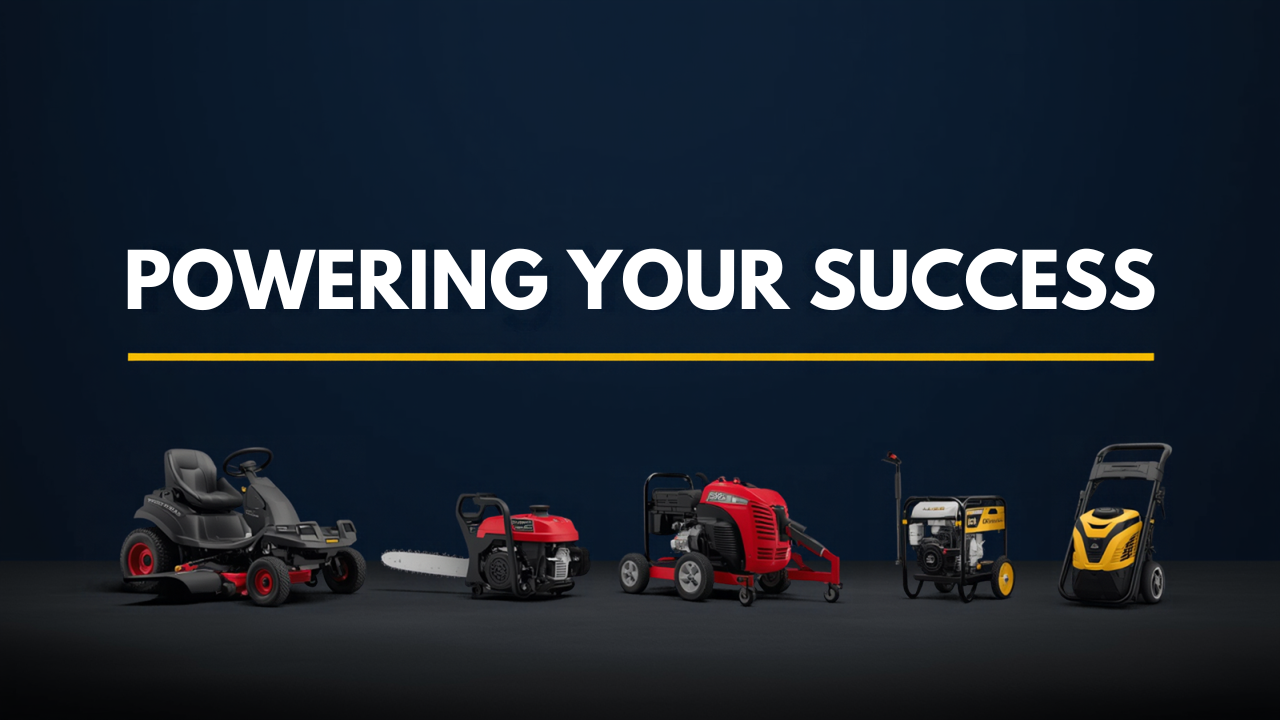
In short: Importing garden and outdoor power equipment — ride-on mowers, chainsaws, brushcutters, generators and pressure washers — from China typically cuts landed cost by 40–60% compared with buying through an Australian wholesaler. The catch is compliance: petrol and battery-powered equipment needs RCM approval, non-road engine emissions sign-off, and (for anything that's touched soil, timber or plant matter) a DAFF biosecurity clearance before it leaves the wharf. Budget 6–10 weeks door-to-door from a Zhejiang or Jiangsu factory to a Tamworth warehouse, and work with a sourcing agent or freight forwarder who's already cleared non-road engine categories through Australian Border Force.
Last updated: 9 August 2026
Tamworth sits at the centre of one of the busiest rural supply regions in NSW, and that means serious demand for mowers, brushcutters, generators and pressure washers — from hardware retailers and hire companies through to agricultural equipment dealers. Buying through a local wholesaler usually means paying a 35–50% distributor margin before the equipment even reaches the shelf. Sourcing direct from a Chinese factory, working with an experienced China importing partner, removes that layer entirely.
China builds the vast majority of the world's mid-range outdoor power equipment — brands most Australians have never heard of are often made in the same factories, on the same production lines, as household names. For a Tamworth retailer or hire business ordering in volume, that's a genuine margin opportunity, not just a cost play.
The categories with the strongest factory base and the most reliable export experience are:
CategoryTypical FOB unit cost (AUD)NotesRide-on mowers$450–$1,800Petrol and battery-electric variants both widely availableChainsaws & brushcutters$25–$90Lithium-ion models need UN38.3 battery test reports for freightGenerators$120–$650Emissions compliance is the main gate herePressure washers$60–$220Electric units are the simplest entry pointHand tools (rakes, shears, spades)$1.50–$12Low compliance burden, high container-fill value
Most first-time importers in regional NSW start with hand tools or electric pressure washers, then graduate to engine-powered lines once they've got a compliance pathway sorted. If you're bringing in soft goods rather than hardware, our guide to sourcing window furnishings from Vietnam covers a very different compliance path worth comparing.
This is where most DIY importers get stuck. Three things to check before you place a deposit:
Any product with electrical components — corded or battery — needs to meet the relevant Australian/NZ electrical safety standard and carry the RCM. Your factory should already hold test reports for markets like the EU or US; ask for these upfront, as re-testing to AS/NZS standards from scratch adds weeks.
Petrol-powered mowers, brushcutters and generators fall under non-road spark-ignition engine rules. Suppliers exporting to Australia at scale will usually already hold compliant engine specs — but always get this confirmed in writing before tooling or a bulk order is locked in.
Anything that's been in contact with soil, timber pallets, or plant matter during manufacture or packing can trigger a DAFF inspection on arrival. Second-hand equipment is scrutinised heavily; new-manufactured equipment is generally lower risk, but packaging materials (straw, wood crates) still need to meet ISPM 15 treatment standards. For a full walkthrough of the permit process, see our DAFF import permit guide.
Here's a worked example for a 20ft container of mixed ride-on mowers and generators landing in Sydney, then trucked to Tamworth:
Cost itemEstimate (AUD)FOB goods value (mixed load)$38,000Ocean freight (China → Sydney)$3,200Customs duty (5%, varies by tariff code)$1,900GST (10% of value + duty + freight)$4,310Australian customs clearance & port charges$850Inland freight, Sydney → Tamworth$1,100Estimated landed cost$49,360
Compare that with buying the same volume through an Australian distributor, and the gap is usually 35–55% — enough to fund a genuinely competitive retail price and still protect margin.
The garden equipment manufacturing base is concentrated around Zhejiang (Yongkang and Taizhou in particular) and parts of Jiangsu. For a step-by-step approach to vetting any Chinese factory, see our guide on how to find a manufacturer in China. A few non-negotiables when vetting a factory:
The most expensive mistake we see is ordering engine-powered equipment before confirming emissions and RCM compliance — which can mean a container sitting at the wharf accruing storage fees while paperwork is sorted. The second most common: underestimating inland freight from Sydney or Melbourne to regional NSW, which can add hundreds of dollars per pallet if it's not built into the landed cost from day one.
Usually not for the equipment itself if it's newly manufactured, but packaging materials (wooden crates, straw padding) must meet ISPM 15 fumigation/heat-treatment standards, and DAFF can inspect on arrival regardless.
MOQs typically range from 20–50 units for established models, though some factories will negotiate lower for a first trial order at a higher unit price.
Lithium battery products need UN38.3 test documentation for both freight and RCM purposes — this is separate from the electrical safety testing for the tool itself.
Allow 4–5 weeks ocean freight to Sydney or Melbourne, plus 1–2 weeks for customs clearance and inland trucking to Tamworth — 6–10 weeks door-to-door is a realistic total.
Direct can look cheaper on paper, but a sourcing agent typically pays for itself through better factory pricing, catching compliance issues before they become wharf delays, and avoiding the quality problems that come with unverified suppliers.
We've sourced more than 20,000 products for over 300 Australian businesses, with bilingual teams on the ground in China and Vietnam who verify factories, negotiate pricing, and manage compliance documentation before goods ever leave the port — clients typically save around 77% on average versus buying local. If you're looking at bringing garden or outdoor power equipment into Tamworth or anywhere else in regional NSW, get in touch with our team and we'll map out sourcing, compliance and landed cost before you commit to a supplier.


