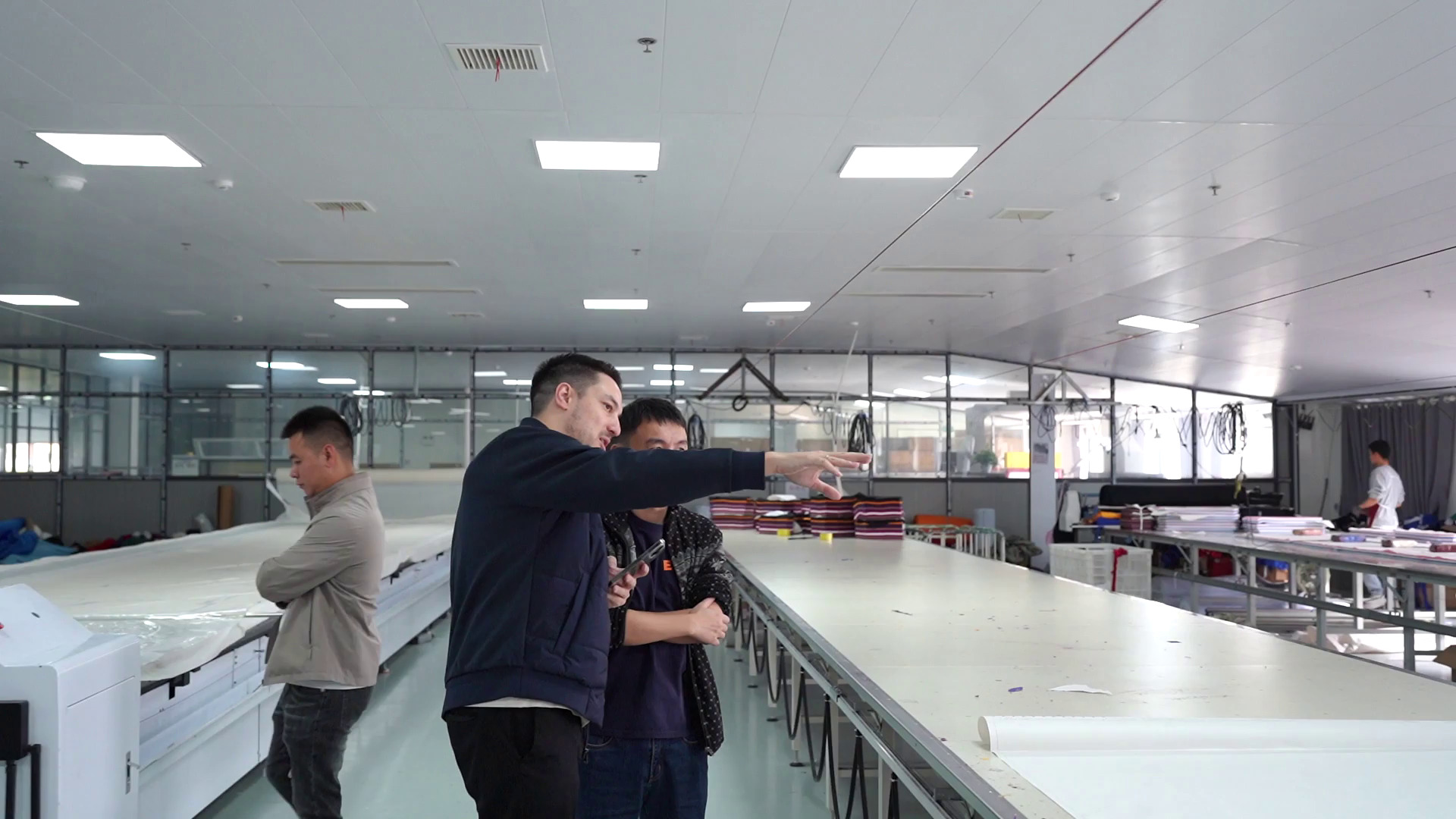
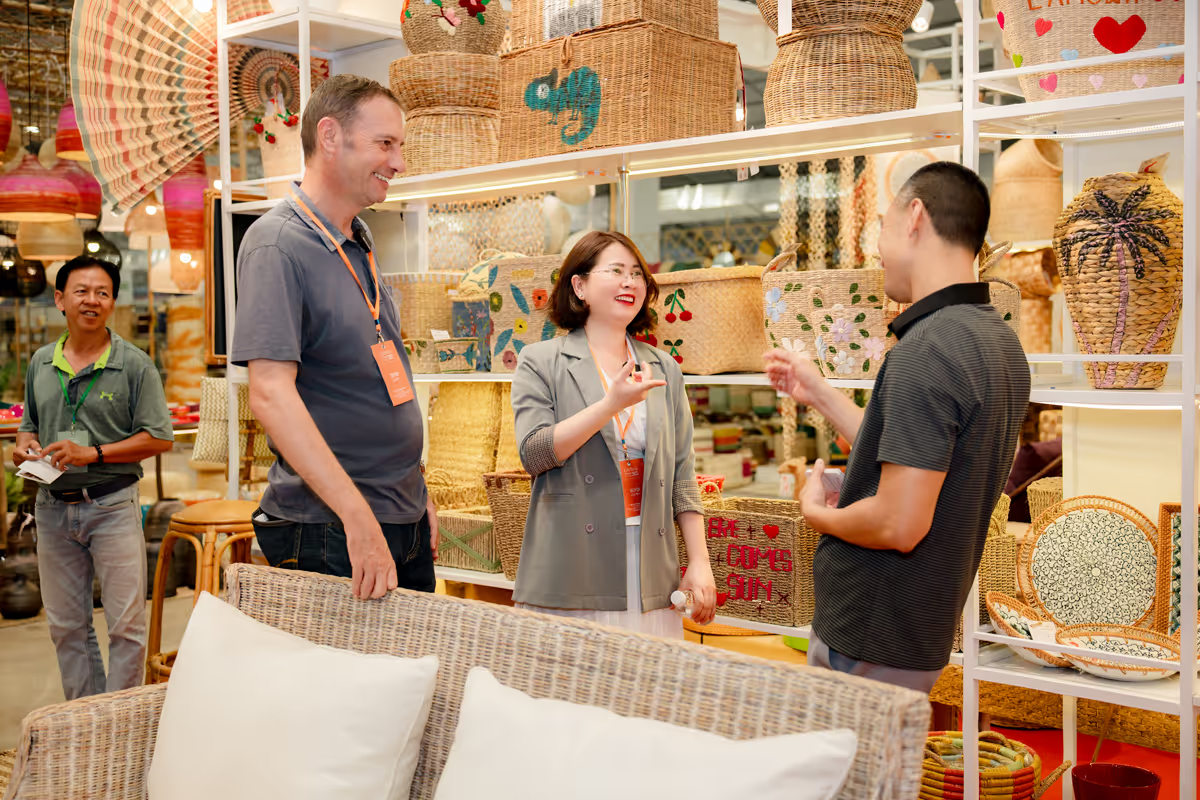
Where to find kitchenware and homewares manufacturers in China and Vietnam, what MOQs and certifications to expect, and a real Geelong sourcing example.
.png)
Last updated: 20 August 2026
In short: Australia's homewares and kitchenware retailers overwhelmingly source from China, with Vietnam a fast-growing second option for wooden, bamboo and textile-based homewares. A solid kitchenware manufacturer will typically want a minimum order of 500-2,000 units per SKU, offer food-safety certification (FDA/LFGB for anything touching food), and turn around samples in 2-3 weeks. Get the certification and MOQ conversation right at the start and homewares sourcing is one of the more straightforward categories to import into Australia.
Local manufacturing costs for ceramics, stainless steel, glassware and small kitchen tools are simply out of reach for most growing Australian brands. A ceramic mug that costs $0.80-$1.50 to produce in Jingdezhen or Chaozhou (China's two ceramics capitals) can cost three to five times that to produce locally, before you've even found a factory willing to take a small first order.
Geelong's homewares and lifestyle retail scene has grown quickly over the past few years, and we're seeing more local brand owners come to us wanting the same margins the bigger Melbourne and Sydney players already have — which almost always means going direct to a manufacturer instead of buying through a local wholesaler.
China dominates ceramics, glassware, stainless steel cookware, silicone kitchen tools and small electricals (kettles, blenders). Vietnam is the stronger option for bamboo, rattan, timber and woven textile homewares — think bamboo utensils, linen napkins and rattan placemats — where its raw material access and furniture-adjacent factories give it a real edge.
Product typeBest sourcing countryTypical MOQCeramic mugs, plates, bowlsChina1,000-3,000 unitsStainless steel cookwareChina500-1,500 unitsBamboo/timber utensils and boardsVietnam500-1,000 unitsLinen and cotton kitchen textilesVietnam or China300-1,000 unitsGlasswareChina1,000-2,000 units
Anything that touches food or hot liquid needs to meet recognised food-contact safety standards — FDA (US) or LFGB (German) compliance are the two most commonly accepted internationally and the ones Australian retailers should ask for by name. For ceramics and glassware specifically, ask for lead and cadmium leaching test reports; for silicone products, ask for food-grade silicone certification rather than taking a supplier's word for it.
Skipping this step is the single biggest risk in this category — a homewares product recalled for failing food-safety testing after it's already on retail shelves is a far more expensive problem than a week's delay chasing the right paperwork upfront.
Sampling typically runs $50-$200 per design depending on complexity (a custom ceramic mould costs more than a simple silicone tool), with most factories crediting the sample cost back against your first bulk order. Tooling for a fully custom ceramic or glass shape can add $500-$3,000 upfront, which is why most first-time homewares brands start with an existing mould and customise the glaze, colourway or printed design instead of commissioning a brand-new shape.
A Geelong-based homewares retailer we worked with wanted a signature ceramic mug and matching bamboo coaster set for their own label. Using an existing mug mould with a custom glaze colour kept tooling costs at zero, while the bamboo coasters were sourced separately from a Vietnamese supplier for better material quality and price. Total landed cost per set came in at roughly 70% below the equivalent Australian wholesale price for a comparable local-made set, with a combined MOQ across both products of 1,000 units.
Most reputable manufacturers ask for 500-2,000 units per SKU, though some will negotiate lower for a simple product using an existing mould, especially if you're clearly planning repeat orders.
Products made from raw or untreated timber, bamboo or rattan can attract DAFF biosecurity scrutiny at the border, so confirm your supplier is using treated material and can provide fumigation or treatment certificates where relevant.
It depends on material — China is typically cheaper and more capable for ceramics, glass and metal; Vietnam is often more competitive for timber, bamboo and textile-based homewares once you factor in material quality and finish.
Budget 8-14 weeks from first sample to shipped goods for a straightforward product using existing tooling, longer if you're commissioning a custom mould or shape.
Yes — many Australian homewares brands consolidate goods from both countries into a single shipment via a freight forwarder, which is exactly what we manage for clients running multi-country product ranges.
Epic Sourcing has sourced 20,000+ products for 300+ Australian businesses, with bilingual teams on the ground in China and Vietnam who vet kitchenware and homewares factories for food-safety compliance before you ever place a deposit. Our clients see average savings of around 77% versus local wholesale pricing. If you're building a homewares or kitchenware range and want a straight answer on the right country, MOQ and certification for your product, talk to our team. For a broader look at getting started, see our guide to importing from China to Australia, or read our guide to how a sourcing company works if you're deciding whether to go it alone.