


Insulated drinkware is booming in Australia. Here's where it's made, what it really costs landed in AUD, and the compliance details first-time importers miss.
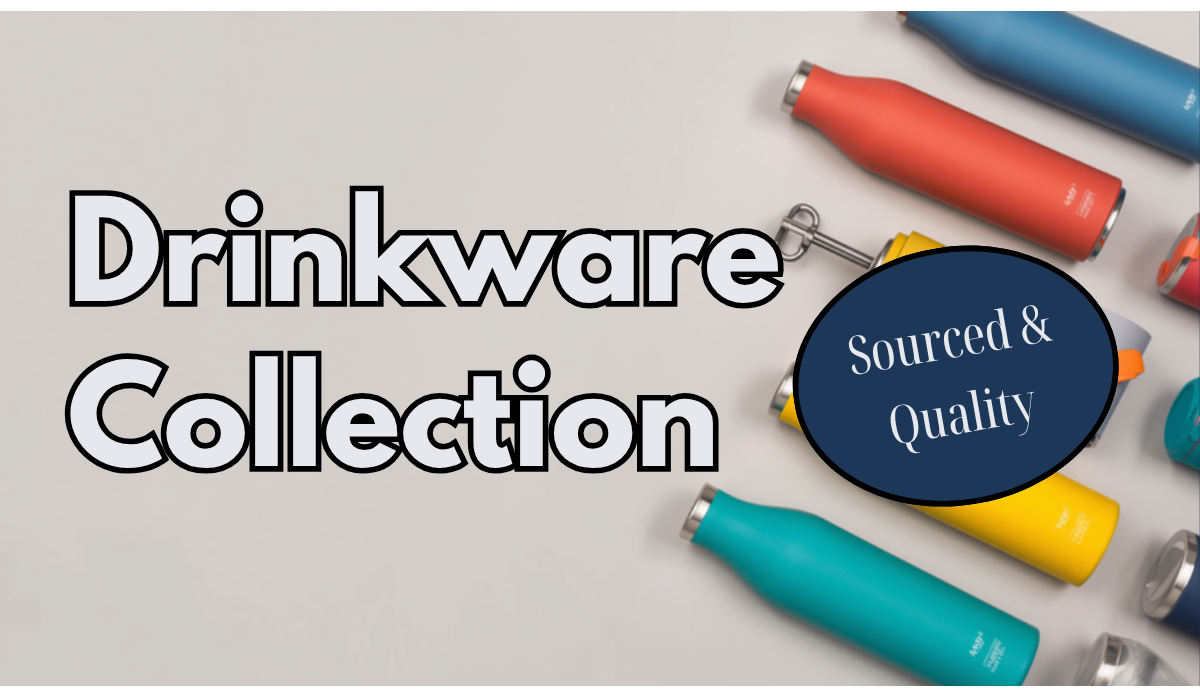
In short: Insulated water bottles and tumblers are one of the fastest-growing product categories in Australian eCommerce right now, and the vast majority are made in China. Landed cost for a private-label 750ml stainless steel bottle typically runs $3.50–$6.50 AUD per unit depending on MOQ and finish, versus a $35–$55 retail price. The category is straightforward to source once you understand food-grade stainless steel grades, powder-coating MOQs, and the freight realities of shipping into regional markets like Tasmania.
Last updated: 24 July 2026
G'day. If you've scrolled Instagram or TikTok in the last twelve months, you'll have seen it: the insulated drink bottle isn't just a bottle anymore, it's a personality. Stanley, Frank Green, and a wave of smaller Aussie brands have turned double-walled stainless steel tumblers into a genuine retail phenomenon — and plenty of savvy operators are asking how they can get a slice of it without paying distributor mark-ups.
The good news is that drinkware is one of the more forgiving categories to start sourcing directly. The factories are experienced, the tooling is standardised, and the margins are healthy if you get your numbers right. It's a similar dynamic to what we've seen with sourcing pet supplies from China — a straightforward, well-documented category once you know which factory clusters to target. Let's get into it.
Australia's insulated drinkware market has ridden the same wave as the US and UK — a mix of wellness culture, reusable-plastic bans, and genuine product improvement (double-wall vacuum insulation that keeps drinks cold for 24 hours or hot for 12). Aussie shoppers are also more price-conscious than the influencer marketing suggests, which is exactly why private-label and white-label drinkware brands are outperforming the big names on value.
For online retailers, drinkware also ticks the boxes that matter for a healthy eCommerce business: low return rates, strong repeat-purchase potential through colourways and accessories (straws, boots, lids), and genuinely low landed costs relative to retail price.
Almost all vacuum-insulated stainless steel drinkware sold in Australia and worldwide comes out of a handful of manufacturing clusters in China — primarily Yongkang in Zhejiang province, which is the global capital of stainless steel vacuum flask production, alongside factories in Guangdong for plastics and silicone componentry. If you haven't sourced from China before, our guide on importing products from China to Australia covers the fundamentals of finding and vetting a factory.
Vietnam does not yet have a mature drinkware manufacturing base, so unlike categories such as footwear or furniture, this is a China-first sourcing decision for the foreseeable future.
Prioritise factories that already export to the US, UK, or EU (proof they understand food-grade compliance), that manufacture their own vacuum-insulation cores rather than buying them in, and that offer in-house powder coating, laser engraving, and pad printing so your branding doesn't need a second factory.
Here's a worked landed-cost example for a private-label 750ml double-wall stainless steel bottle with a powder-coated finish and custom logo, ordered at a 2,000-unit MOQ:
| Cost component | Per unit (AUD) |
|---|---|
| Factory unit price (FOB Ningbo) | $3.10 |
| Powder coating + logo printing | $0.45 |
| Sea freight + insurance (2,000 units, LCL) | $0.55 |
| Australian customs duty (5%, if no FTA/TCO applied) | $0.18 |
| GST (10%, recoverable if registered) | $0.43 |
| Sourcing agent / QC fee | $0.35 |
| Total landed cost | $5.06 |
Against a realistic $39–$45 AUD retail price, that's a gross margin north of 85% before marketing and freight-to-customer costs — one of the healthier margin profiles in the eCommerce product world.
Food-contact drinkware sold in Australia needs to meet Australian Consumer Law safety requirements, and any stainless steel in contact with food or drink should be 304 or 18/8 grade at minimum (avoid factories that quote 201 grade without disclosing it — it's cheaper but not considered food-safe for prolonged contact). Silicone lids and seals should be food-grade silicone with supporting test reports, and BPA-free claims on any plastic componentry need to be backed by a supplier test certificate you can produce if challenged.
None of this is difficult to manage, but it does mean asking for the right documentation upfront rather than discovering a gap after your stock has landed. It's also worth checking whether your specific componentry already qualifies for a duty exemption — see our guide to Tariff Concession Orders for how that works.
If you're building a drinkware brand out of Launceston or elsewhere in Tasmania, the extra step most mainland retailers skip is factoring in the Bass Strait leg. Ocean freight into Melbourne or Sydney is the cheapest entry point; from there, most importers consolidate with a 3PL on the mainland and run a second domestic freight leg (road or the Spirit of Tasmania freight service) into Tasmanian fulfilment centres or direct-to-customer. If you're scaling beyond a single container, it's worth reading our guide to China warehousing and fulfilment for Australian e-commerce brands to see whether forward-stocking in China makes sense before freight even leaves port.
Budgeting an extra $0.15–$0.30 per unit for that second freight leg keeps your landed-cost modelling honest, and it's a detail a lot of first-time Tasmanian importers miss when they copy mainland cost calculators.
Most Yongkang-cluster factories will quote 1,000–3,000 units per colourway for powder-coated finishes with custom branding. Some will go lower (300–500 units) for a plain finish with a printed sticker rather than powder coating, which is a sensible way to test a range before committing to full customisation.
It's a genuine safety distinction, not just marketing. 304-grade (also called 18/8) stainless steel resists corrosion and leaching far better than 201-grade, which is cheaper but not recommended for prolonged food or drink contact. Always ask your factory for mill test certificates.
Budget 30–45 days for production once artwork and tooling for powder-coat colours are approved, plus 25–35 days sea freight to Australia. First-time orders with new tooling run closer to the long end of that range.
Yes — most factories can run smaller colour-specific batches once your base tooling exists, which is exactly how brands like Frank Green and Stanley keep their drop-based marketing cycle going. Expect a per-colour minimum on top of your overall order MOQ.
You don't strictly need one, but a sourcing agent earns their fee quickly in this category by verifying stainless steel grade certificates, managing powder-coat colour matching (a common quality complaint), and consolidating freight if you're also importing lids, straws, or carry accessories from a second factory.
Epic Sourcing has helped Australian businesses source more than 20,000 products and counting, with over 300 happy clients relying on our bilingual teams on the ground in China and Vietnam. Clients typically save an average of 77% by cutting out unnecessary layers between factory and shelf. If you're building out a broader lifestyle product range, our guide to sourcing luggage and travel bags from China and Vietnam covers a complementary category with similarly healthy margins. If you're ready to bring a drinkware range to market with verified factories, real compliance documentation, and freight sorted all the way to Tasmania or anywhere else in Australia, book a discovery call with our team and we'll map it out with you.


