Last updated: 20 November 2026
Custom manufacturing procurement means finding a factory, giving it your design, and managing it until the product ships. For Australian businesses, the steps are a clear brief, samples, production, checks, and shipping to Australia.
Free Download: Vetted Supplier List Preview
See what a properly vetted supplier record contains, field by field, before you brief a factory.
Download the Free Preview ↗How is custom manufacturing different from buying stock products?
With custom work, the factory makes something that doesn't exist yet. That means more steps and more decisions.
- You own the spec: the factory follows your design, so gaps in the brief become gaps in the product.
- Tooling may be needed: tooling means moulds or fixtures made just for your product, often paid for up front.
- Samples come first: expect at least one round of samples before production.
- Minimum order quantities: the MOQ is the smallest order a factory accepts, and custom products often need larger first orders than stock items.
- Longer lead times: design, tooling, and sampling all add time before the first shipment.
How do you brief a factory for a custom product?
Give the factory everything it needs to quote and build, in one clear document. A strong brief saves weeks of back and forth.
- Drawings or CAD files: CAD means computer-aided design. Include key measurements and tolerances, which are how far a size can vary and still pass.
- Materials: name the exact material, grade, and finish, such as 304 stainless steel with a brushed finish.
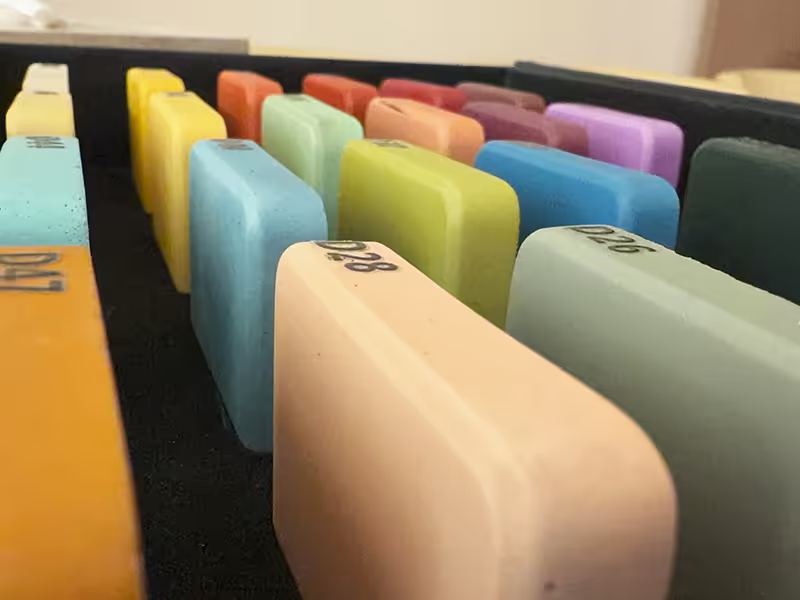
- Colours: use a recognised colour code, not a word like navy.
- Branding: logo placement, size, and method, such as printing or embossing.
- Packaging: inner packs, cartons, and labels, including any requirements for Australia.
- Order details: target quantity, target price, and when you need goods landed.
- Quality standards: what counts as a defect, and how many are acceptable.
Sourcing Hack: Attach photos of products you like and products you don't. Factories understand pictures faster than paragraphs.
How do you choose the right custom manufacturer?
Pick a factory that already makes products like yours, in similar materials, at a similar order size. Fit matters more than a fancy showroom.
- Check proven capability: ask to see similar custom work, and request samples.
- Factory or trader: confirm who makes the product in its own building, and whether you can visit.
- Ask about tooling ownership: agree in writing that you own any tooling you pay for.
- Protect your design: get a no-copy agreement signed before you share full drawings, and ask an IP lawyer about protection in the factory's country.
- Check the business: confirm its business licence and capability before any deposit. You can get your supplier verified first.
Before you commit, run through the manufacturer red flags checklist.
What drives the cost of a custom product?
Six things set the price of a custom product: materials, complexity, tooling, order size, packaging and branding, and testing. Freight, duty, and GST come on top.
- Materials: higher grades and special finishes cost more, so match the material to how you'll use the product.
- Complexity: more parts, tighter tolerances, and extra assembly steps all add labour.
- Tooling: a one-off cost that's spread across every unit you make with it.
- Order size: bigger runs usually lower the unit price, but tie up more cash in stock.
- Packaging and branding: custom boxes, inserts, and printed logos add cost per unit.
- Testing and compliance: some products need lab tests to meet Australian product safety rules before they can be sold.
- Freight, duty, and GST: these come on top of the factory price and make up your landed cost. Under the China-Australia free trade agreement, tariffs on China-origin goods were removed by 1 January 2019, if the goods meet the rules of origin.
Ask each factory for a quote broken down by these parts. It shows where a small design change could save money.
How do you keep a custom order on track?
Set clear checkpoints and check each one before moving on. Problems are cheapest to fix early.
- Sign a golden sample: the approved sample becomes the standard for production.
- Confirm specs in writing: the purchase order should list materials, colours, packaging, and the sample reference.
- Approve a pre-production sample: a few units made on the line that will run your order, before the full run.
- Inspect during production: catch issues while there's still time to fix them.
- Inspect before shipping: check goods against the golden sample before the final payment.
- Link payments to milestones: such as sample approval and a passed inspection.
What Australian rules apply to custom products?
Goods entering Australia must clear the Australian Border Force (ABF) and DAFF. Get your labels and paperwork right before you ship.
- Customs (ABF): goods need the right paperwork and a correct customs value. See the ABF importing guidance.
- Biosecurity (DAFF): timber, plant fibres, and wooden packaging can need extra checks or treatment. Ask your factory about packaging early.
- Duty: China-origin goods that meet the rules of origin enter tariff-free under the China-Australia free trade agreement. RCEP is another route to claim this, not an extra discount.
- Consumer law: Australian Consumer Law guarantees and product safety rules still apply to custom products.
Want the whole custom project handled for you? See Secret Source, our custom product service.
FAQs
What is custom manufacturing procurement?
It means finding a factory, briefing it, and managing the order so it makes a product to your own design, from sample through to delivery.
What is the difference between custom and white label products?
A white label product is an existing design with your brand added. A custom product is made to your own design, so it needs a full brief, samples, and often tooling.
Do I have to pay for tooling?
Often, yes, for products that need tooling: moulds or fixtures made just for your product. Agree the cost, and that you own the tooling, in writing first.
Why is the minimum order quantity higher for custom products?
The minimum order quantity (MOQ) is the smallest order a factory will accept. Factories need to cover setup, materials, and tooling, and larger runs spread those costs.
How do I protect my design?
Share only what each factory needs, sign a no-copy agreement before sending full drawings, and ask an IP lawyer about protection in the factory's country.
Do I pay duty on custom products from China?
Not usually, if the goods meet the rules of origin. The China-Australia free trade agreement removed tariffs on China-origin goods by 1 January 2019. GST and border charges still apply.
Does Australian Consumer Law apply to custom products?
Yes. Australian Consumer Law guarantees and product safety rules still apply when a product is made to your own design.
How long does a custom order take?
It depends on the product. Design, tooling, sampling, production, and shipping all add time, and factories typically close for several weeks around Chinese New Year. Plan well ahead of your launch date.
Can a sourcing agent manage custom manufacturing for me?
Yes. A sourcing agent can brief factories, compare quotes, manage samples, and inspect goods before they ship. At Epic Sourcing Australia, we handle custom products from brief to delivery.
Got a custom product in mind? A clear brief is the best place to start.
Prefer a direct link? Book your free call here.