Mitigating Risk in International Supply Chains

A practical guide to supply chain risk mitigation for Australian importers: the main risks in international sourcing and four layers of defence.
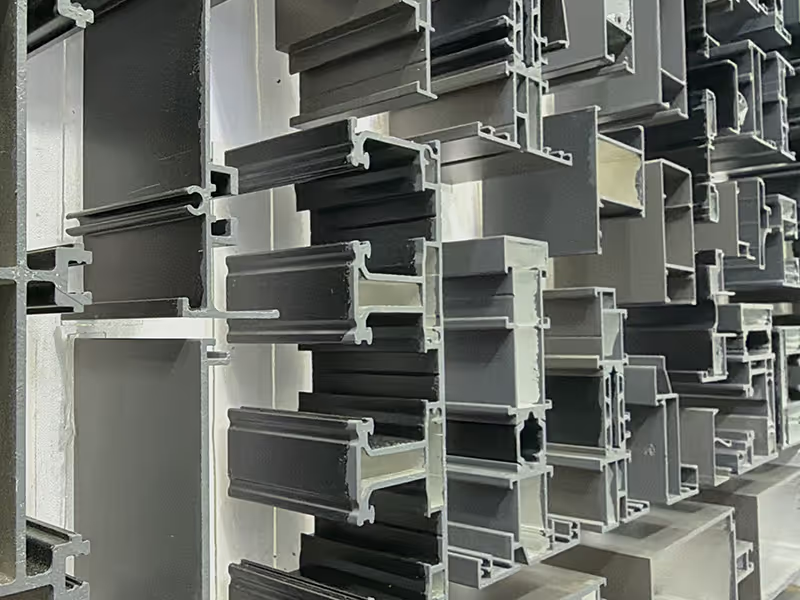

Close-up of stacked aluminium and steel profiles
TK Wang
Last updated:
February 10, 2027

Last updated: 10 February 2027

Supply chain risk mitigation means spotting what could go wrong between your supplier and your customer, then putting simple safeguards in place before it happens. The goal isn't zero risk. It's making sure one problem can't sink your business.

This guide gives Australian importers a practical way to find, rank, and reduce the risks in an international supply chain. Most of the steps are simple habits that cost little but save a lot when things go wrong.

Free Download: Risk Mitigation Framework

A four-layer framework you can apply to any new supplier before you order.

Download the Free Framework ↗

What are the main risks in an international supply chain?

Most risks fall into a few groups. Knowing the groups makes them easier to spot and plan for.

  • Supplier risk: a supplier fails, closes, or turns out not to be genuine.
  • Quality risk: goods arrive faulty or don't meet the spec.
  • Payment risk: deposits are lost to fraud or a supplier that disappears.
  • Shipping risk: delays, damage, or rising freight costs.
  • Compliance risk: goods don't meet the rules in Australia, or get held by the Australian Border Force and DAFF.
  • Concentration risk: relying on one supplier, one product, or one route.
  • Currency risk: exchange rate changes that raise your costs.

You won't face every risk on this list, and that's fine. The point is to know which ones apply to your products, so nothing catches you off guard.

How do you work out which risks matter most?

Rank each risk by how likely it is and how much damage it would do. Then deal with the big ones first.

  1. List your risks: use the groups above, for your top products.
  2. Rate likelihood: low, medium, or high.
  3. Rate impact: low, medium, or high, in lost sales, cost, or reputation.
  4. Plot them: high likelihood and high impact go to the top of the list.
  5. Assign an owner: someone responsible for each top risk.
  6. Review regularly: risks change as your business and suppliers change.

Sourcing Hack: Ask yourself, "If this supplier stopped tomorrow, what would happen?" If the answer is scary, that's your first risk to fix.

What practical steps reduce supply chain risk?

Simple habits remove most of the risk. You don't need a big budget, just consistency.

  1. Verify every new supplier: check registration, address, and bank details before paying.
  2. Audit key factories: confirm they can deliver your order to your standard.
  3. Inspect before shipping: catch faults at the factory, not in Australia.
  4. Use safer payment terms: link payments to milestones, such as a passed inspection.
  5. Have a backup supplier: a tested second option for your most important products.
  6. Hold safety stock: extra stock on best sellers to cover delays.
  7. Check compliance early: labels, testing, and paperwork for Australia before goods ship.
  8. Get written agreements: specs, prices, lead times, and tooling ownership.

The risk mitigation framework above turns these steps into a four-layer checklist you can use on any supplier.

How do you build a backup plan?

A backup plan is a short, written list of what you'll do if something goes wrong. Write it while things are calm.

  • Backup suppliers: who you'd call, and whether they've already been tested.
  • Stock buffers: how long your current stock would last.
  • Freight options: other routes, or air freight for urgent lines.
  • Customer messages: how you'd tell customers about delays.
  • Key contacts: your forwarder, broker, and sourcing partner, all in one place.

Share the plan with your team so it isn't stuck in one person's head. When something goes wrong, everyone should know the first few steps.

How often should you review your supply chain risks?

Review them regularly, and straight away after any big change. Risks don't stand still.

  • Regular reviews: check your top risks every few months.
  • After a problem: learn what went wrong and update your plan.
  • When adding suppliers or products: new partners bring new risks.
  • When rules change: keep an eye on import rules for Australia.

For warning signs to watch for in new suppliers, see the manufacturer red flags checklist.

FAQs

What is supply chain risk mitigation?

It's finding what could go wrong in your supply chain and putting safeguards in place before it happens.

What is the biggest risk for small importers?

Often it's relying on a single supplier for key products, or paying deposits to unverified suppliers.

How can I protect my deposits?

Verify the supplier, pay only into an account in the company's name, and link payments to milestones.

Do I really need a backup supplier?

For your most important products, yes. A tested backup keeps stock moving if your main supplier has trouble.

How much safety stock should I keep?

Enough to cover likely delays on your best sellers. The right level depends on how steady sales and lead times are.

Can insurance cover supply chain risks?

Cargo insurance covers some shipping losses. Talk to a broker about what suits your goods.

Where should I start with risk planning?

Start with your best-selling products and ask what would happen if their supplier stopped tomorrow.

How often should I review risks?

Every few months, and after any major problem, new supplier, or rule change.

Not sure where your biggest risk sits? A quick review of your top products is a good place to begin.

Want to review the risks in your supply chain?

Book a free 15-minute sourcing consult with Epic Sourcing Australia.

Book a Free 15-Minute Consult

A food delivery startup takes on Uber

1800 00 EPIC
FREE DOWNLOAD

How to find reliable suppliers in China

  • What to look for when researching suppliers
  • Actionable advice from industry experts
  • Tips to help you save time and money
BY SUBMITTING THIS FORM YOU ARE SUBSCRIBING TO OUR MAILING LIST. VIEW OUR PRIVACY POLICY.
OUT SOURCE
how to import products from china from verified suppliers
BONUS: Manufacturer prospecting spreadsheet
⚠️ Please be aware of scammers who may be impersonating Epic Sourcing. If you have any concerns please direct email or call our hotline to double check before clicking links or providing personal information.