


A sourcing agent agreement is the written contract you should have in place before an agent starts work or sees your product idea. Here's a clause checklist, not a legal template.
Last updated: 17 November 2026
In short: A sourcing agent agreement is the written contract between you and the agent. Put it in place before they start work or see your product idea. It should say what they'll do, how they're paid, who owns the suppliers, samples and moulds, and how your idea is protected. This page is general information, not legal advice, so ask a lawyer to review any contract before you sign.
If you've been searching for a sourcing agent contract, a sourcing agent agreement sample, or an agency agreement template, use the checklist below.
A sourcing agent agreement, sometimes called a sourcing agent contract, sets the rules for the work. It names the parties, describes the services, and records fees, confidentiality, supplier details and how the work can end.
For how an agent typically works, see how a sourcing agent works. If you're still deciding which helper you need, see buying agents, sourcing agents and procurement agents.
The agreement doesn't replace a separate contract with the factory. It covers the agent relationship.
Once you send drawings, a logo file, a sample or a specification, the agent has your idea. So does anyone they speak to. Get the scope, confidentiality and ownership terms written down before that happens.
A chat message that says 'we'll keep this private' is easy to argue about later. A signed agreement is the place to record who holds supplier contacts, who pays for samples, and what happens if you stop working together.
Get the contract terms settled before you hand over the design.
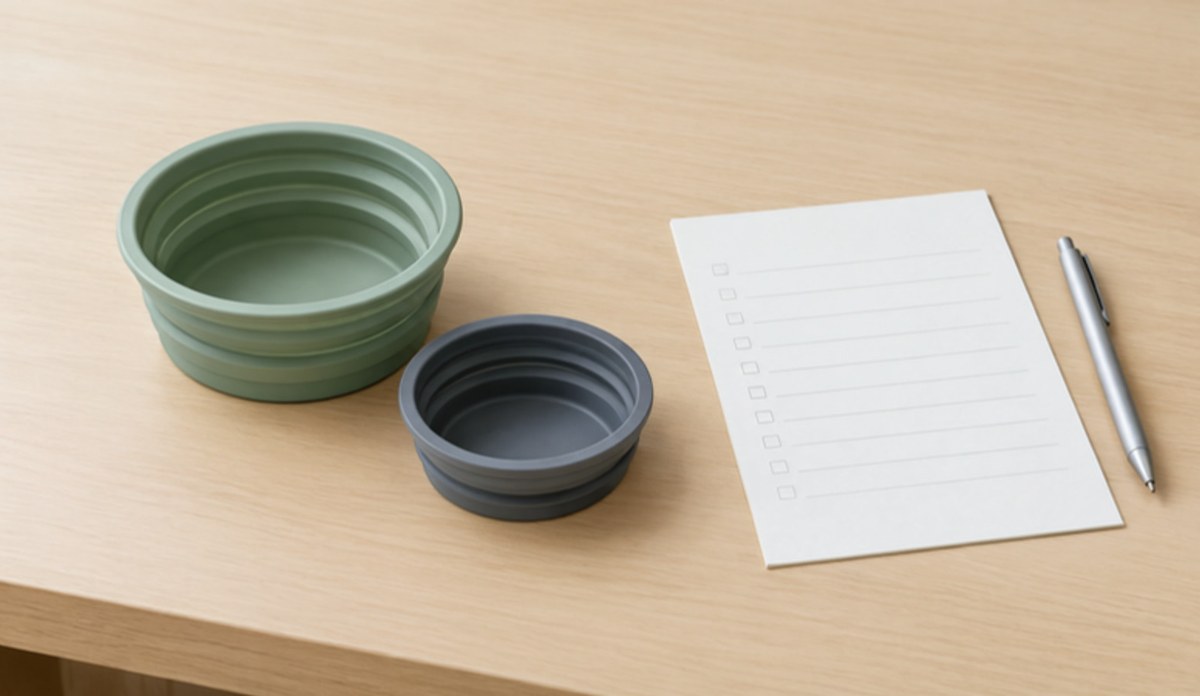
Use a clause checklist, not a copied internet template. Here's a worked example. A Sydney brand wants to hire an agent to develop a silicone collapsible pet bowl in two sizes, 350 ml and 1 L, in slate grey and sage green, with a custom moulded logo.
The table lists the clauses that brand should expect to see. It isn't a finished contract, and it has no fee figures.
| Clause | What it should say | Why it matters |
|---|---|---|
| Scope of work | What the agent will do (search, samples, quality checks, freight booking) and what is out of scope | Makes the scope clear, so you both know what is included |
| Fee model | How the agent is paid, what is included, what is extra, and when invoices go out | Sets out the fee, what is included, and what is billed separately |
| Supplier disclosure | The agent will give you the factory name, address and contacts | You should always know who is making the bowl |
| Supplier relationship | Who may deal with the factory, and whether you can keep doing so after the work ends | Avoids being locked out of your own supply chain |
| Samples | Who pays for, owns and keeps the approved 350 ml and 1 L bowls in each colour | Samples are often the reference for later checks |
| Moulds and tooling | If you pay for the custom logo mould, the usual aim is that you own it and can move it. Write that down. Payment alone is not enough | A mould you paid for shouldn't stay stuck with someone else |
| Confidentiality | The agent mustn't use or share your design, logo or specification, except to do the agreed work | Your bowl design and logo shouldn't turn up on someone else's listing |
| No secret factory payments | The agent mustn't take a commission, rebate or gift from the factory, or must disclose it in writing | Hidden payments can push you toward a factory that pays the agent |
| Inspection rights | You can have the factory and the goods checked, and the agent will cooperate | You need a way to confirm quality before the goods ship |
| Ending the agreement | How either side can end it, the notice required, and how contacts, samples and moulds are handed over | You need a clean exit, not a deadlock |
Sourcing agents are paid in different ways. Some charge a project fee for a defined piece of work, such as finding and sampling the pet bowl. Some charge a commission on the order value. Some work on a retainer, which is a regular fee for ongoing help.
The contract should state which model applies, what the fee is based on, when it's invoiced, and what happens if an order is delayed, reduced or cancelled.
We don't quote commission rates or fee figures here. For a wider discussion of cost, see how much a sourcing agent costs in Australia. For what Epic's own packages include, see pricing.
Whoever finds the factory, you should still know who that supplier is. The agreement should require the agent to disclose the factory name and address, and whether you may keep working with that factory if the work ends. If the agent won't put that in writing, treat it as a warning. See sourcing agent vs a trading company.
Samples should be named too: the 350 ml and 1 L sizes, in slate grey and sage green, including any approved logo sample. Say who pays, who owns them, and who keeps the signed-off set.
Moulds and tooling need their own clause. If you pay for a custom moulded logo, the usual aim is that you own that mould and can move it to another factory if you need to. Payment alone does not establish ownership or the right to move the mould. Don't leave ownership unsaid.
Know who your supplier is.
Whoever finds the factory, you should have the name and address, and you should confirm the company before you pay a deposit.
Get your supplier verifiedThe agreement should limit how the agent may use or share your drawings, logo and specification, including after the work ends.
People often ask about an NDA versus an NNN agreement. An NDA is a non-disclosure agreement, mainly about keeping information confidential. An NNN agreement is often used when sourcing from China, and typically covers non-use, non-disclosure and non-circumvention. A properly drafted NNN can be enforced in Chinese courts, but writing it in Chinese, choosing Chinese law and naming a Chinese court does not automatically make every clause enforceable. For a fuller explanation, see our guide to protecting your product idea in China: NDA, NNN and IP basics.
The first red flag is no written contract, or a one-line email that never becomes an agreement. Vague fees are another. If the cost will be 'sorted out later', you don't have a fee term yet.
Be careful if the agent won't disclose the factory name, or if they can take money from the factory and that isn't clearly banned or written down. The same applies if you pay for moulds but ownership is left blank, or if there's no exit clause.
One-sided IP terms are also a problem, especially if the agent can use your design after the job ends. If you're still choosing an agent, our guide on how to find a reliable sourcing agent covers how to choose one. The contract is where those promises go in writing.
Yes. Get a written agreement in place before you share your product idea, pay a fee, or ask the agent to contact factories.
Models vary. Some agents charge a project fee, some a commission on the order, and some a retainer. We don't quote percentages here. See our cost guide and Epic's pricing page, then put the agreed model in the contract.
Some might try. Your contract should say whether that's banned, and that any factory payment must be disclosed to you in writing.
That should be written down. If you pay for a custom mould, the usual aim is that you own it and can move it. Payment alone does not establish ownership or the right to move it. Don't assume this happens automatically.
Yes. This page is general information, not legal advice. For some standard-form contracts with small businesses, the Australian Consumer Law's unfair contract terms rules, including changes from 9 November 2023, may apply. Ask a lawyer to review the document before you sign.
If you want help with a sourcing project, Epic can run the work under Out Source, or support an ongoing supply chain under Interim SCM. Verification reports check a supplier once you have a name, in under 48 hours. QC and factory audits check the goods before they leave. See what each option includes.
Before production, we put a signed purchase agreement in place with the factory, based on a lawyer-prepared template. Your own lawyer can review it. We're not lawyers. If a supplier won't sign, we drop them. We don't take commissions from factories. Factory deposits, freight and tooling costs are generally paid by you directly to the supplier, and you keep ownership of your designs, artwork and branding. We use NDAs to protect your designs, but no one can fully guarantee a factory overseas won't copy them. Owning a mould on paper isn't the same as controlling it, so write down who owns it, where it's kept and how it can be released. Epic works with 300+ clients and has 5 offices worldwide, with teams on the ground in China and Vietnam.
Want to talk through a sourcing project?
Tell us the product and we'll explain how the work is scoped, then you can decide if you want a lawyer to review any agreement.
Book a free discovery chat


